San Francisco's Recycling Conundrum: 9 Items to Avoid
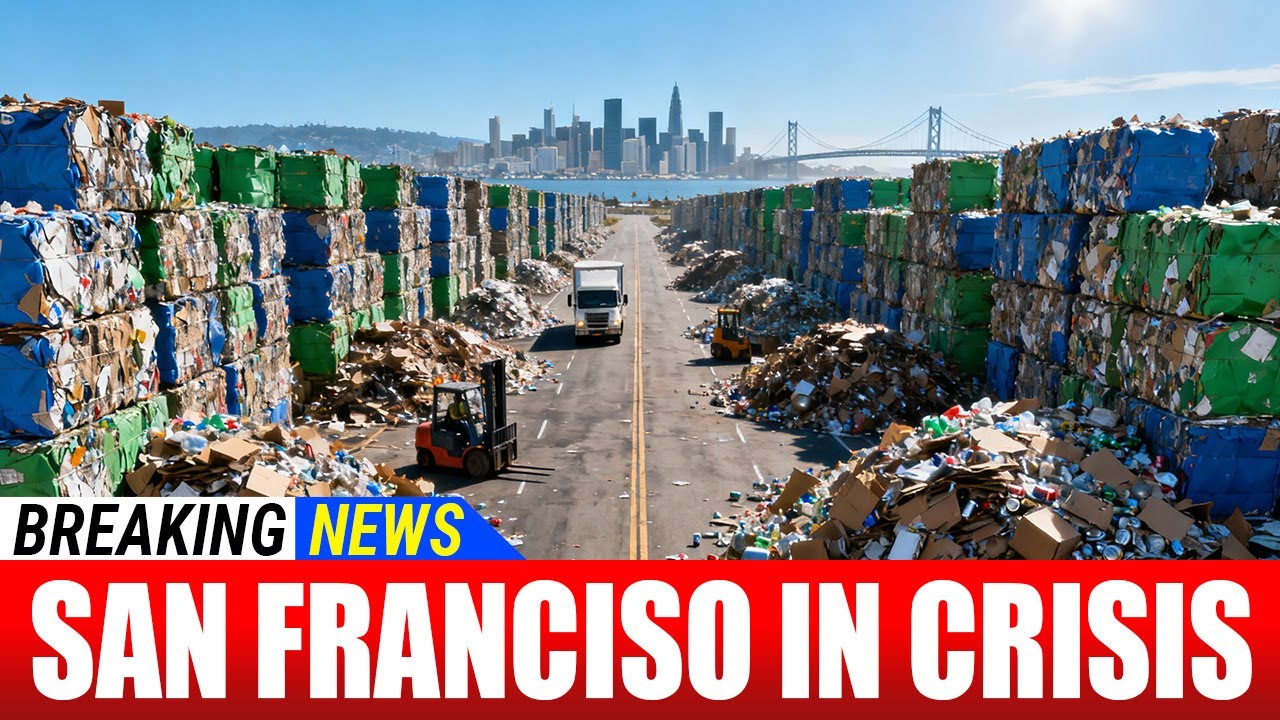
The **San Francisco Chronicle** article highlights the importance of proper recycling practices in San Francisco. By avoiding common mistakes, such as including
Summary
The **San Francisco Chronicle** article highlights the importance of proper recycling practices in San Francisco. By avoiding common mistakes, such as including **plastic straws** and **styrofoam** in recycling bins, residents can help reduce waste and improve the city's recycling efficiency. The article also mentions the city's goal to achieve **zero waste** by 2030, as outlined in the [[san-francisco-climate-action-plan|San Francisco Climate Action Plan]]. To learn more about San Francisco's recycling programs and initiatives, visit the [[san-francisco-recycling-program|San Francisco Recycling Program]] website.
Key Takeaways
- Recology provides tips on how to properly sort recyclables
- The city's contamination rate remains high
- Proper recycling practices are essential for reducing waste and mitigating environmental impacts
Balanced Perspective
The **San Francisco Chronicle** article provides a neutral overview of the common items that don't belong in recycling bins in San Francisco. The article cites **Recology** as the source of the information and provides tips on how to properly sort recyclables. According to the [[epa|EPA]], proper recycling practices are crucial for reducing waste and conserving natural resources. The article does not take a stance on the issue, but rather presents the information in a factual manner, allowing readers to make their own informed decisions about their recycling habits. For more information on recycling best practices, visit the [[recycling-guide|Recycling Guide]] website.
Optimistic View
The **Recology** tips provide a valuable resource for San Francisco residents to improve their recycling habits and contribute to the city's **sustainability goals**. By following these guidelines, residents can help reduce contamination and increase the quality of recyclables, ultimately supporting the city's efforts to achieve **zero waste**. As noted by the [[sierra-club|Sierra Club]], proper recycling practices are essential for reducing waste and mitigating the environmental impacts of human activity. For more information on sustainable living, visit the [[sustainable-san-francisco|Sustainable San Francisco]] website.
Critical View
The **Recology** tips may not be enough to address the deeper issues with San Francisco's recycling system. The city's **contamination rate** remains high, and the inclusion of **non-recyclable materials** in recycling bins continues to be a problem. As noted by the [[national-waste-management-association|National Waste Management Association]], the recycling industry faces significant challenges, including contamination and lack of infrastructure. Without more significant changes to the recycling infrastructure and education efforts, it may be difficult for the city to achieve its **zero waste** goal. For more information on the challenges facing the recycling industry, visit the [[waste-management-industry|Waste Management Industry]] website.
Source
Originally reported by San Francisco Chronicle