
Contents
- 🎵 Origins & History
- ⚙️ How It Works
- 📊 Key Facts & Numbers
- 👥 Key People & Organizations
- 🌍 Cultural Impact & Influence
- ⚡ Current State & Latest Developments
- 🤔 Controversies & Debates
- 🔮 Future Outlook & Predictions
- 💡 Practical Applications
- 📚 Related Topics & Deeper Reading
- Frequently Asked Questions
- References
- Related Topics
Overview
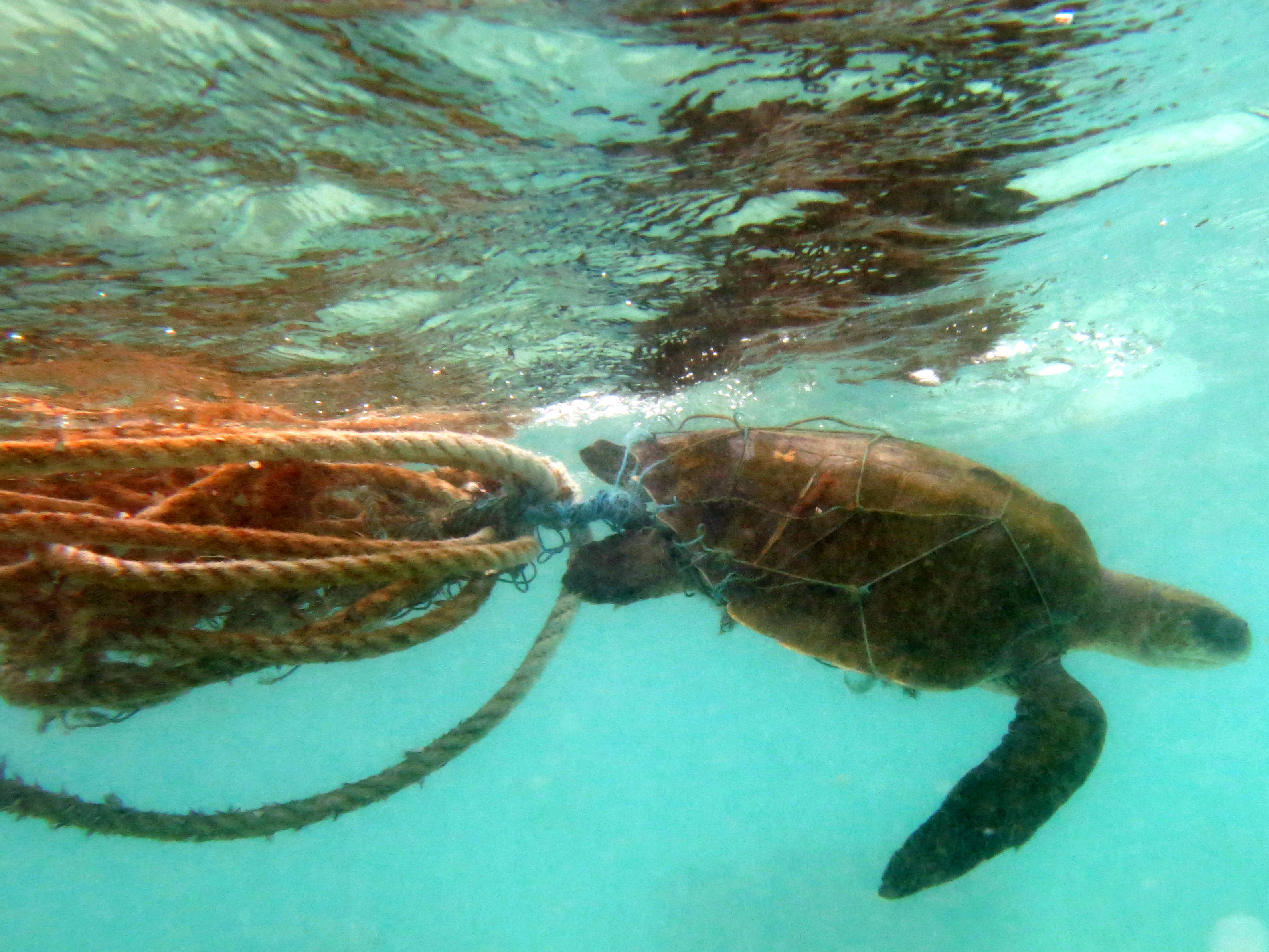
Plastic pollution, driven by the 400 million tons of plastic produced annually, has become a defining crisis of the 21st century. From microplastics infiltrating marine ecosystems to single-use plastics drowning coastal communities, the scale of the problem is staggering. The 8.8 million tonnes of plastic entering oceans yearly 1—equivalent to a garbage truck every minute—has spurred a global movement to curb plastic consumption. Innovations like biodegradable materials, circular economy models, and policy shifts are reshaping industries, but the fight remains fierce. This entry explores the origins, science, and future of reducing plastic use, highlighting the people, technologies, and policies driving change.
🎵 Origins & History
The modern plastic crisis began in the 1950s with the mass production of polyethylene, a versatile polymer that revolutionized packaging and consumer goods. By the 1970s, the environmental toll became undeniable: the 1972 UN Stockholm Conference 2 declared plastic waste a global threat, while the 1988 UN Environment Programme report 3 linked plastic to marine life deaths. The 1990s saw the rise of grassroots movements like the Plastic Pollution Coalition, which now unites 250+ organizations. Today, the crisis is compounded by the 10% global recycling rate 4 and the 12.7 million tons of plastic waste generated annually in the U.S. alone.
⚙️ How It Works
Plastic reduction strategies span mechanical recycling (melting plastics into pellets for new products), chemical recycling (breaking down polymers into raw materials), and material innovation (bioplastics like PLA from cornstarch). The Ellen MacArthur Foundation’s circular economy model 5 emphasizes designing out waste by prioritizing reusable packaging and compostable materials. In 2023, the EU mandated 90% recyclability for packaging by 2030, while companies like Coca-Cola launched PlantBottle™, which uses 30% plant-based materials. Meanwhile, blockchain platforms like Plastic Bank 6 incentivize recycling through cryptocurrency, linking waste collection to economic empowerment.
📊 Key Facts & Numbers
Plastic waste is projected to double by 2050, with 12.7 million tons generated annually in the U.S. 7 The average person consumes 1.7 million plastic items in their lifetime, with 300 billion plastic bottles used yearly globally. Microplastics—particles smaller than 5mm—now contaminate 88% of tap water and 94% of sea salt. The economic cost of plastic pollution is estimated at $1.2 trillion annually, including $130 billion in coastal cleanup costs 8. Despite these figures, only 9% of all plastic ever produced has been recycled, with 11 million tons of plastic waste entering oceans yearly 9.
👥 Key People & Organizations
Dr. Beatrice Hahn, a virologist, pioneered research on microplastics’ impact on human health, linking them to chronic inflammation and hormonal disruption. The Ocean Cleanup, founded by Boyan Slat in 2013, has deployed 100+ systems to remove 100,000 tons of plastic from oceans by 2025. Meanwhile, the World Economic Forum’s New Plastics Economy Global Commitment 10 unites 1,000+ companies, including Unilever and Nike, to eliminate plastic waste by 2040. In India, the Swachh Bharat Mission has diverted 1.5 million tons of plastic waste from landfills since 2014, while the Netherlands’ 2021 ban on single-use plastics reduced plastic consumption by 35% in two years.
🌍 Cultural Impact & Influence
Plastic reduction has become a cultural touchstone, inspiring documentaries like A Plastic Ocean 11 and the #BreakFreeFromPlastic movement, which has mobilized 100 million people. Fashion brands like Patagonia and H&M now use recycled polyester, while fast-food giants like McDonald’s have pledged to use 100% recyclable packaging by 2025. The rise of plastic-free stores like The Real Junk Food Project in the UK and the global #PlasticFreeJuly campaign 12 reflect a shift in consumer behavior. However, the movement faces resistance from industries reliant on plastic, including the fossil fuel sector, which lobbies against bans and recycling mandates.
⚡ Current State & Latest Developments
In 2023, the EU’s Single-Use Plastics Directive 13 banned items like plastic straws and cutlery, while California’s 2022 law mandates 100% recyclable packaging by 2030. Meanwhile, the U.S. passed the Break Free From Plastic Pollution Act, which aims to phase out single-use plastics by 2040. Innovations like biodegradable plastics from companies like Novamont and the development of algae-based packaging by startups like Notpla are gaining traction. However, challenges persist: only 14% of plastic waste is recycled globally, and 79% ends up in landfills or the environment 14.
🤔 Controversies & Debates
Critics argue that recycling is a 'feel-good' solution that distracts from systemic issues like overconsumption and corporate accountability. The 'plastic tax' in the EU has faced backlash from manufacturers, while the effectiveness of bioplastics is debated due to their reliance on fossil fuels and composting infrastructure. Ethical concerns also arise: the Ocean Cleanup’s net systems have been criticized for potentially harming marine life, and the use of recycled plastics in food packaging raises safety questions. Meanwhile, the 'plastic problem' is often framed as a Western issue, despite developing nations bearing the brunt of pollution through waste imports.
🔮 Future Outlook & Predictions
By 2030, the global plastic waste crisis could reach 299 million tons annually, with 100 million tons in the oceans. Innovations like enzymatic plastic degradation (e.g., the PETase enzyme discovered by the University of Portsmouth) 15 and 3D-printed biodegradable materials may offer breakthroughs. Policy shifts, such as the EU’s 2025 ban on single-use plastics and the U.S. Plastic Pollution Prevention Act, could reduce plastic use by 40% by 2040. However, the future hinges on systemic change: the Ellen MacArthur Foundation predicts a 20% reduction in plastic waste by 2030 if circular economy principles are fully adopted. The next decade will determine whether plastic reduction becomes a global success or a recurring crisis.
💡 Practical Applications
Businesses like Adidas, which uses ocean plastic for sneakers, and startups like Ecovative, which creates packaging from mushroom mycelium, demonstrate scalable solutions. Municipalities in cities like San Francisco and Tokyo have achieved 80% waste diversion through comprehensive recycling programs. The U.S. EPA’s 2023 report highlights that 50% of plastic waste could be diverted through improved collection and processing. Individuals can reduce plastic use by adopting reusable alternatives, supporting brands with sustainable practices, and advocating for policy changes. The Plastic Waste Management Program in India, which employs 100,000 waste pickers, shows how economic incentives can drive systemic change.
Key Facts
- Year
- 2023
- Origin
- Global, with roots in 1950s plastics industry and 1970s environmental movements
- Category
- waste-reduction
- Type
- concept
Frequently Asked Questions
How much plastic waste is generated globally each year?
Approximately 400 million tons of plastic are produced annually, with 12.7 million tons generated in the U.S. alone. Only 9% of all plastic ever produced has been recycled, and 11 million tons of plastic waste enters oceans yearly. The Ellen MacArthur Foundation estimates that by 2050, plastic waste could double, with 299 million tons annually if current trends persist.
What are the most effective ways to reduce plastic use?
The most effective strategies include adopting circular economy models, using biodegradable materials, and implementing strict recycling policies. The EU’s Single-Use Plastics Directive, which bans items like plastic straws, has reduced plastic consumption by 35% in two years. Companies like Adidas and Ecovative are leading innovation, while grassroots movements like #BreakFreeFromPlastic mobilize millions. Personal actions, such as using reusable alternatives and supporting sustainable brands, also play a critical role.
Why is recycling not solving the plastic crisis?
Recycling is often a 'feel-good' solution that distracts from systemic issues like overconsumption and corporate accountability. Only 14% of plastic waste is recycled globally, with 79% ending up in landfills or the environment. The 'plastic tax' in the EU has faced backlash from manufacturers, and the effectiveness of bioplastics is debated due to their reliance on fossil fuels and composting infrastructure. Recycling alone cannot address the scale of the problem without broader policy and behavioral changes.
What role do developing nations play in the plastic crisis?
Developing nations bear the brunt of plastic pollution through waste imports and inadequate waste management infrastructure. Countries like India and Indonesia receive millions of tons of plastic waste from wealthier nations, contributing to environmental degradation and health risks. The U.S. EPA’s 2023 report highlights that 50% of plastic waste could be diverted through improved collection and processing, but systemic inequities persist. Global cooperation and funding are essential to address this issue.
What are the health impacts of plastic pollution?
Plastic pollution has been linked to chronic inflammation, hormonal disruption, and microplastic ingestion. Dr. Beatrice Hahn’s research shows microplastics can enter the human body through food and water, with 88% of tap water and 94% of sea salt contaminated. The World Health Organization warns that microplastics may contribute to cancer and developmental disorders. The economic cost of plastic pollution is estimated at $1.2 trillion annually, including $130 billion in coastal cleanup costs.
How can individuals make a difference in reducing plastic use?
Individuals can reduce plastic use by adopting reusable alternatives (e.g., water bottles, shopping bags), supporting brands with sustainable practices, and advocating for policy changes. The Plastic Waste Management Program in India employs 100,000 waste pickers, demonstrating how economic incentives can drive systemic change. Supporting initiatives like #PlasticFreeJuly and participating in local cleanups also contribute to global efforts. The U.S. EPA’s 2023 report highlights that 50% of plastic waste could be diverted through improved collection and processing.
What are the future projections for plastic waste?
By 2030, the global plastic waste crisis could reach 299 million tons annually, with 100 million tons in the oceans. Innovations like enzymatic plastic degradation (e.g., the PETase enzyme) and 3D-printed biodegradable materials may offer breakthroughs. Policy shifts, such as the EU’s 2025 ban on single-use plastics and the U.S. Plastic Pollution Prevention Act, could reduce plastic use by 40% by 2040. The Ellen MacArthur Foundation predicts a 20% reduction in plastic waste by 2030 if circular economy principles are fully adopted. The next decade will determine whether plastic reduction becomes a global success or a recurring crisis.